Key points at a glance
- In the standard model, you are free to choose any authorised doctor; no referral is required (Art. 41 para. 1 KVG).
- In alternative models, the health insurer only has to pay for services provided or arranged by the agreed service providers (Art. 41 para. 4 KVG).
- The mandatory benefits of basic health insurance remain insured in every model; the referral only governs the route.
- Premiums 2026, Zurich, born 1990, CHF 2,500 deductible: GP/HMO median CHF 437.50 instead of CHF 511.50 in the standard model (FOPH).
What is a referral to a specialist?
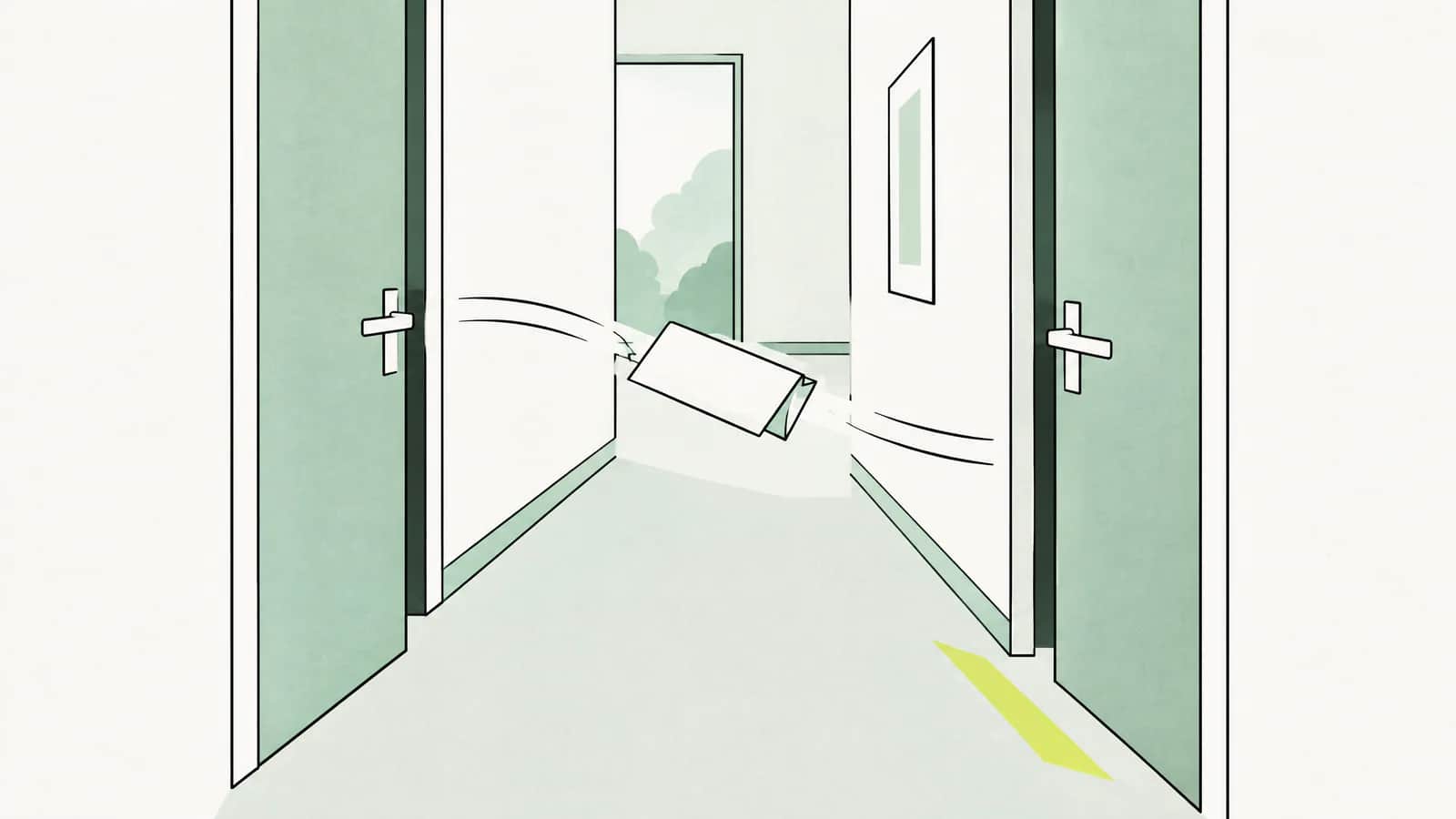
A referral is the instruction from your first point of contact that you should see a specialist for a particular examination or treatment. Depending on the model, your first point of contact is your GP, an HMO practice, a telemedicine centre on the phone or, in some models, a pharmacy. The referral is the central element of what are known as gatekeeping models.
In the standard model of basic health insurance, you do not need a referral. You are free to choose among all authorised doctors, including going directly to a specialist. With an alternative model, you voluntarily give up part of this freedom. In return, the health insurer gives you a premium discount.
The referral only concerns the route, not the scope of benefits. What basic health insurance pays is the same in every model. A referral is also neither a prescription nor a cost approval: it only states that the treatment by the specialist was arranged via your first point of contact.
How it works
In the GP model, you first go to your chosen GP when you have a health problem. If she considers an examination by a specialist necessary, she issues a referral. In the HMO model, the group practice does this; in the telemedicine model, the medical advice service on the phone.
The referral is reported to the health insurer, either directly by the practice or via the invoice. This allows the health insurer to check whether the specialist’s invoice matches a referral. How long a referral is valid and for how many consultations is set out in the insurance terms.
The rules are not the same at all health insurers. Which exceptions apply, for example for emergencies or certain preventive examinations, and what happens if you go to a specialist without a referral, is set out in the terms of the model concerned. Read these rules before you choose a model.
Legal basis
Art. 41 para. 1 of the Federal Health Insurance Act (KVG) guarantees, in principle, a free choice among authorised service providers. Under Art. 41 para. 4 KVG, you can, in agreement with the health insurer, limit this choice to service providers that the health insurer selects with a view to more cost-effective care. The health insurer then only has to cover the costs of services provided or arranged by these service providers. The statutory mandatory benefits are insured in any case. The word “arranged” is the legal basis of the referral.
Art. 62 para. 1 KVG allows the health insurer to reduce the premium for such insurance. The Health Insurance Ordinance (KVV) governs the details in Art. 99–101: under Art. 100 para. 2 KVV, you can switch to a model with a restricted choice at any time, while switching back under Art. 100 para. 3 KVV is possible at the end of a calendar year. Art. 101 para. 2 KVV only allows discounts for cost differences resulting from the restricted choice. The specific referral rules are not set out in the law but in the health insurer’s insurance terms.
Example: what the referral is worth
Daniel is 36 years old, lives in the city of Zurich and has the CHF 2,500 deductible. He compares how much he saves with a model that requires a referral. The figures are the median monthly premiums per model group: premiums 2026, municipality of Zurich (region 1), born 1990, with accident cover; source FOPH.
| Model | Referral required | Median per month | Per year | Difference from standard per year |
|---|---|---|---|---|
| Standard | no | CHF 511.50 | CHF 6,138.00 | – |
| Telemedicine and other | yes, after telephone advice | CHF 449.80 | CHF 5,397.60 | CHF 740.40 |
| GP/HMO | yes, by GP or HMO | CHF 437.50 | CHF 5,250.00 | CHF 888.00 |
The actual saving depends on your health insurer. In the premium calculator, you can see every offer with its model for your municipality, and the health insurers at a glance under Health insurers.
What this means for you
Whether a model with a referral is worthwhile depends on how you use medical care:
- Do you have a GP you trust? Then little changes in everyday life, and you get the premium discount without much adjustment.
- Do you regularly go directly to specialists? If you are being treated by several specialists, you need a referral each time. Before switching, check whether your GP will support this.
- Do you know the exceptions? Check the terms to see which specialties or examinations are allowed without a referral.
You can switch to a model with a referral at any time, but back to the standard model only at the end of the year. The model finder helps you work out which model suits you. Everything about cancelling and switching is under Switching. How the model with a phone call works is explained in the entry Telemedicine model.
Common mistakes
- Going directly to a specialist “because it is quicker”. Without a referral, you risk the health insurer not paying the invoice.
- Mistaking the referral for a cost approval. It only governs the route; whether a service is covered by basic health insurance is decided by the law.
- Assuming all health insurers have the same rules. Exceptions, validity and consequences are set out in each health insurer’s terms.
- Only agreeing a referral verbally. Make sure that the practice actually issues and reports it.
Frequently asked questions
Do I need a referral to see a specialist?
Only if you have chosen an alternative model such as GP, HMO or telemedicine. In the standard model, you go directly to the specialist. The exceptions that apply in your model are set out in your health insurer’s insurance terms.
What happens if I go to a specialist without a referral?
The law allows the health insurer to pay only for services provided or arranged by the agreed first point of contact. The specific consequences of a breach, such as rejection of the invoice or a switch to the standard model, are governed by the insurance terms.
How long is a referral valid?
The law does not set a duration. Health insurers specify in their terms whether a referral applies to one treatment, a number of consultations or a certain period. For longer treatments, ask whether a new referral is needed.
Can I get a second opinion despite having a GP model?
Yes, but as a rule also via your first point of contact. Discuss the second opinion with your GP so that the referral is documented.
Related terms
- GP modelIn the GP model, you always go first to the general practitioner (GP) you have chosen, who refers you to specialists when needed. In return, your health insurer gives you a discount on your basic health insurance premium. In the city of Bern, the median premium in 2026 with a CHF 300 deductible was around CHF 87 a month below the standard model.
- SpecialistA specialist is a physician who, after medical school, has completed postgraduate training in a particular field, such as cardiology, dermatology or orthopaedics. Basic health insurance pays for specialist treatment like any other medical service. In the standard model you go directly; in GP, HMO and telemedicine models you usually need a referral first.
- GatekeepingGatekeeping means that whenever you have a health problem, you first contact a fixed first point of contact: a GP practice, an HMO centre or a telemedicine advice service. It decides whether and where you go next. In return, basic health insurance gives you a premium discount: in Zurich in 2026, a median of CHF 71.97 a month with a CHF 2,500 deductible.
- HMO modelIn the HMO model, you commit to going first to a specific health centre or group practice whenever you have a health issue. From there, you are referred to specialists or to hospital when needed. In return, your basic health insurance premium is lower: in 2026, one insurer’s HMO model in Zurich costs 17% less than its standard model.
- Telmed modelIn the Telmed model, you first call a telemedical advice service or use its app before every visit to a doctor. The health professionals tell you whether you can treat yourself, should see a doctor or go straight to hospital. In return, you pay a lower premium: in Zurich, the 2026 median with a CHF 300 deductible was CHF 64.80 a month below the standard model.
- Second opinionA second opinion is the assessment of a diagnosis or a planned treatment by a second doctor. Basic health insurance pays for it like any other medical consultation, minus the deductible and a 10% retention fee. In the GP model, HMO model or telemedicine model you first need a referral from your first point of contact.
Sources
- Federal Health Insurance Act (KVG), Art. 41Art. 41 para. 4 KVGfedlex.admin.ch
- Federal Health Insurance Act (KVG), Art. 62Art. 62 KVGfedlex.admin.ch
- Health Insurance Ordinance (KVV), Art. 99–101Art. 99–101 KVVfedlex.admin.ch
- FOPH: Health insurance: Insurance models with a restricted choice of service providersbag.admin.ch
- FOPH: Health insurance premiums 2026 (opendata.swiss)opendata.swiss