Key points at a glance
- Under tiers garant, you owe the doctor the fee; the health insurer then reimburses its share to you (Art. 42 para. 1 KVG).
- Tiers garant is the standard case under the law; tiers payant only applies if the health insurer and the service provider agree it, and always for the insurer’s share of inpatient treatment.
- You can assign your right to reimbursement to the service provider if you cannot pay the bill in advance.
- No law sets a deadline for reimbursement; according to the FOPH, health insurers usually reimburse within 30 days of receipt.
- If a bill is too high, under tiers garant the insured person is entitled to claim the money back (Art. 56 para. 2 let. a KVG).
What is tiers garant?
Tiers garant is French and literally means “guaranteeing third party”. It refers to a billing system in Swiss basic health insurance: the doctor, the physiotherapist or the laboratory sends the bill to you. You owe the amount. You then submit the bill to your health insurer, which reimburses its share to you. The health insurer is therefore the “third party” that guarantees you get your money back.
The counterpart is tiers payant, the “paying third party”: there, the bill goes directly to the health insurer, which pays the service provider and then only charges you your co-payment. You do not decide which system applies; the agreement between the health insurer and the service provider does. Without a special agreement, tiers garant applies by law.
In practice, it depends on the area. According to the FOPH, tiers garant predominates in outpatient treatment, and a large proportion of doctors in private practice bill this way. Tiers payant has become established in hospitals, nursing homes, outpatient nursing care and the dispensing of medicines in pharmacies. For inpatient treatment, tiers payant always applies to the health insurer’s share.
The term only concerns basic health insurance. In supplementary insurance under the Insurance Contract Act (ICA), the contract determines how billing works. In accident insurance under the UVG, the bill goes directly to the insurer, which pays it in full, because there is no deductible and no retention fee there.
How it works
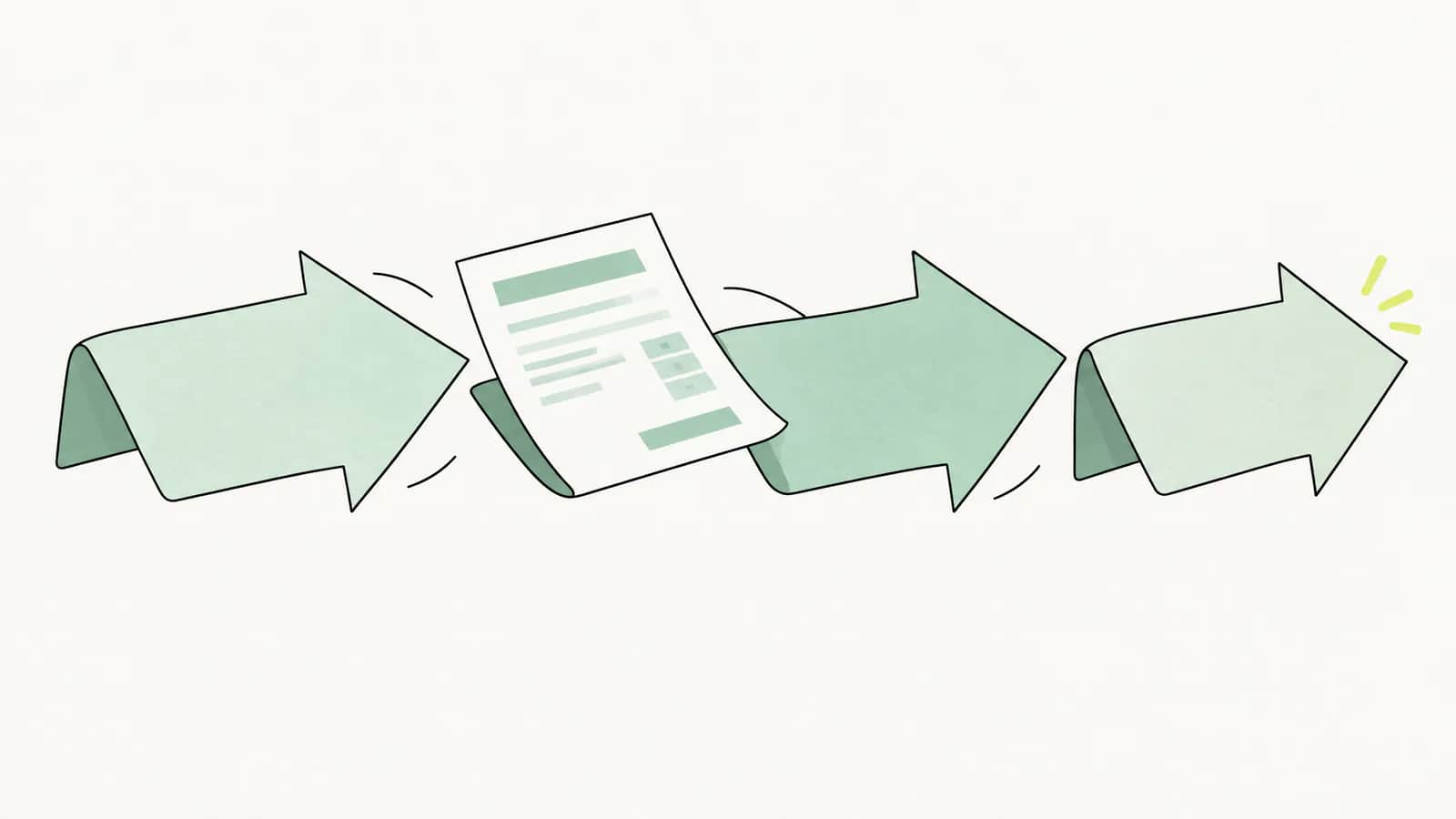
The tiers garant process has four steps:
- You receive the bill. After treatment, you receive a doctor’s bill, often with a reimbursement claim form. This is the copy for the health insurer. The bill must be detailed and easy to understand and must include, among other things, the dates of treatment, the services provided according to the tariff and the number on your health insurance card.
- You submit the bill. You send the reimbursement claim form to your health insurer, by post, by app or through the customer portal. Also submit bills that are below your deductible: only then do they count towards it.
- The health insurer checks it. The health insurer checks whether the service is a compulsory benefit, whether the tariff is correct and whether the treatment was cost-effective. For medical questions, it involves its medical adviser.
- Reimbursement. The health insurer deducts the deductible and retention fee and transfers the rest to you. The reimbursement comes with a statement of benefits showing how much was counted towards the deductible and the retention fee.
You must pay the doctor’s bill within the doctor’s payment deadline, whether or not the health insurer has already reimbursed you. The law sets no deadline for reimbursement, because the health insurer needs time to check. According to the FOPH, health insurers usually reimburse within 30 days of receipt. If details are missing from the bill or the medical adviser has to be involved, it takes longer.
If you cannot pay the amount in advance, there are two options. You can ask the practice for a longer payment deadline, for example 30 days, and submit the bill straight away. Or you can assign your right to reimbursement to the service provider. The health insurer then pays its share directly to the provider. This is sometimes called “tiers soldant”, although the deductible and retention fee remain your responsibility.
Legal basis
Art. 42 para. 1 KVG sets out the principle: unless insurers and service providers have agreed otherwise, insured persons owe the service providers the remuneration. In this case, insured persons have a right to reimbursement from the insurer. The law expressly calls this the “tiers garant system”. In derogation from general social insurance law, this right may be assigned to the service provider.
Art. 42 para. 2 KVG allows health insurers and service providers to agree on tiers payant. For inpatient treatment, the health insurer always owes its share itself.
Art. 42 para. 3 KVG requires a detailed and understandable bill to be sent to the debtor, which under tiers garant is you. Under para. 3ter, in force since 01.07.2026, service providers send bills electronically; if you ask, you receive them on paper free of charge. Under the transitional provisions, the tariff partners have two years to agree a uniform electronic standard; after that, the Federal Council sets it. Art. 59 KVV lists what must appear on the bill and requires separate bills for compulsory benefits and other services.
Art. 56 para. 2 let. a KVG governs who may claim back remuneration paid without justification: under tiers garant, this is the insured person or, under Art. 89 para. 3 KVG, the insurer. Under Art. 56 para. 3 and 4 KVG, the service provider must pass on discounts to the debtor; under tiers garant, that is you.
The amount of your co-payment follows from Art. 64 KVG: the deductible and the 10% retention fee, for adults up to a maximum of CHF 700 a year.
Example: the same bill in two systems
Luca, 41, has the standard deductible of CHF 300. In October 2026, he receives a bill for CHF 240.00 from his GP. He has already used up his deductible for 2026, but has not yet reached the maximum retention fee. The figures for the deductible and retention fee come from Art. 64 KVG and Art. 103 KVV.
| Step | Tiers garant | Tiers payant |
|---|---|---|
| Bill goes to | Luca | health insurer (copy to Luca) |
| Luca pays the practice | CHF 240.00 | CHF 0.00 |
| Health insurer pays the practice | CHF 0.00 | CHF 240.00 |
| Retention fee 10% | CHF 24.00 | CHF 24.00 |
| Health insurer reimburses Luca | CHF 216.00 | – |
| Health insurer charges Luca | – | CHF 24.00 |
| Luca’s costs in the end | CHF 24.00 | CHF 24.00 |
If Luca had a CHF 2,500 deductible, things would look different in a healthy year: with CHF 240.00 as his only bill, he would receive no reimbursement, but the CHF 240.00 would count towards his deductible. The premium calculator shows how deductible and premium work together.
What this means for you
- Submit bills straight away. The sooner the health insurer has the bill, the sooner the money is back, before the practice’s payment deadline runs out.
- Check the bill. Are the date, duration and services correct? Under tiers garant, you are the debtor and have the right to claim back amounts charged in excess. If anything is unclear, ask the practice first.
- Keep your documents. The health insurer’s statements of benefits show how much of your deductible and retention fee you have already used up. In your account, you can store your calculations and deadlines in one place.
- Talk if money is tight. If you cannot pay a bill in advance, ask for a longer payment deadline or for assignment to the service provider.
- Ask if there is a delay. If the reimbursement does not arrive and there is no explanation, ask your health insurer. If that does not help, the Office of the health insurance ombudsperson is the neutral point of contact.
The health insurer profiles show how quickly and through which channels individual health insurers accept bills. If you are unhappy with your health insurer’s service, you can find the steps for switching under Switching health insurer.
Common mistakes
- Throwing away bills below the deductible. They count towards your deductible. Without them, you reach your deductible later or never.
- Waiting for the health insurer instead of paying the practice. Under tiers garant, you owe the practice the amount. Reminders and fees are charged to you, not to the health insurer.
- Confusing tiers garant with a lack of cover. Receiving the bill yourself does not mean the health insurer will not pay. It is just a different flow of money.
- Not reading the bill. Under tiers garant, you as the debtor have the right to claim money back. You only spot errors if you check the items.
- Mixing up supplementary and basic health insurance. Service providers must bill compulsory benefits and other services separately. Submit both bills so that the health insurer can allocate each one correctly.
How we build calculation examples is explained under How we calculate.
Frequently asked questions
What is the difference between tiers garant and tiers payant?
Under tiers garant, the bill goes to you; you pay and get the money back from your health insurer. Under tiers payant, the bill goes directly to the health insurer, which pays and then charges you your co-payment. Which system applies depends on the agreement between the health insurer and the service provider.
Do I have to pay the doctor’s bill before the health insurer pays?
Under tiers garant, you owe the bill to the doctor, regardless of the reimbursement. Whether you pay it before or after depends on the payment deadline on the bill and on how long the health insurer takes to check it. So submit the bill straight away.
How long does the health insurer have to reimburse me?
The law sets no deadline, because the health insurer has to check the bill and its cost-effectiveness. According to the FOPH, health insurers usually reimburse within 30 days. If it takes considerably longer for no reason, you can contact the Office of the health insurance ombudsperson.
What can I do if I cannot pay the bill in advance?
You can ask the service provider for a longer payment deadline and submit the bill straight away, or assign your right to reimbursement to the service provider. The health insurer then pays its share directly to the provider; the deductible and retention fee remain your responsibility.
Related terms
- Tiers payantTiers payant means that your health insurer pays the bill directly to the doctor, pharmacy or hospital. You receive a copy of the invoice and afterwards pay only your co-payment, i.e. the deductible and the 10 % retention fee. The system applies if the insurer and the service provider have agreed on it, and for inpatient treatment always for the insurer’s share.
- Reimbursement claim formThe reimbursement claim form is the copy of a doctor’s or therapy bill that you send to your health insurer so that it reimburses you its share. It belongs to the tiers garant system: you pay the bill yourself and claim the money back. The insurer deducts your deductible and the 10% retention fee before transferring the rest to you.
- Submitting a doctor’s billYou submit a doctor’s bill to your health insurer if you have paid it yourself or have to pay it. Under the tiers garant system, you owe the doctor the bill and claim the amount back from the insurer. You should submit every bill, even below the deductible: the entitlement lapses after 5 years.
- ReimbursementReimbursement means that your health insurer pays you back costs you paid yourself at the doctor’s or for therapy. You submit the bill, the insurer deducts your deductible and the 10% retention fee and transfers the rest. You can claim it until five years after the end of the month in which you were treated.
Sources
- Federal Health Insurance Act (KVG), Art. 42, current version (German)Art. 42 KVGfedlex.admin.ch
- Federal Health Insurance Act (KVG), Art. 56Art. 56 para. 2 KVGfedlex.admin.ch
- Federal Health Insurance Act (KVG), Art. 64Art. 64 KVGfedlex.admin.ch
- Health Insurance Ordinance (KVV), Art. 59Art. 59 KVVfedlex.admin.ch
- Health Insurance Ordinance (KVV), Art. 103Art. 103 KVVfedlex.admin.ch
- FOPH, Priminfo: Frequently asked questions, reimbursement systems (German; no English version)priminfo.admin.ch
- Office of the health insurance ombudsperson (no English version)om-kv.ch