Key points at a glance
- Under tiers payant, the health insurer owes the remuneration directly to the service provider (Art. 42 para. 2 KVG).
- Without a special agreement, the opposite applies, tiers garant: you pay first and claim the money back from your health insurer.
- For inpatient treatment, the health insurer always owes its share directly; the canton bears at least 55 % of the hospital remuneration.
- Under tiers payant, the service provider must send you a copy of the invoice without being asked.
- Since 01.07.2026, invoices are sent electronically to the debtor; on request, you receive them on paper free of charge.
What is tiers payant?
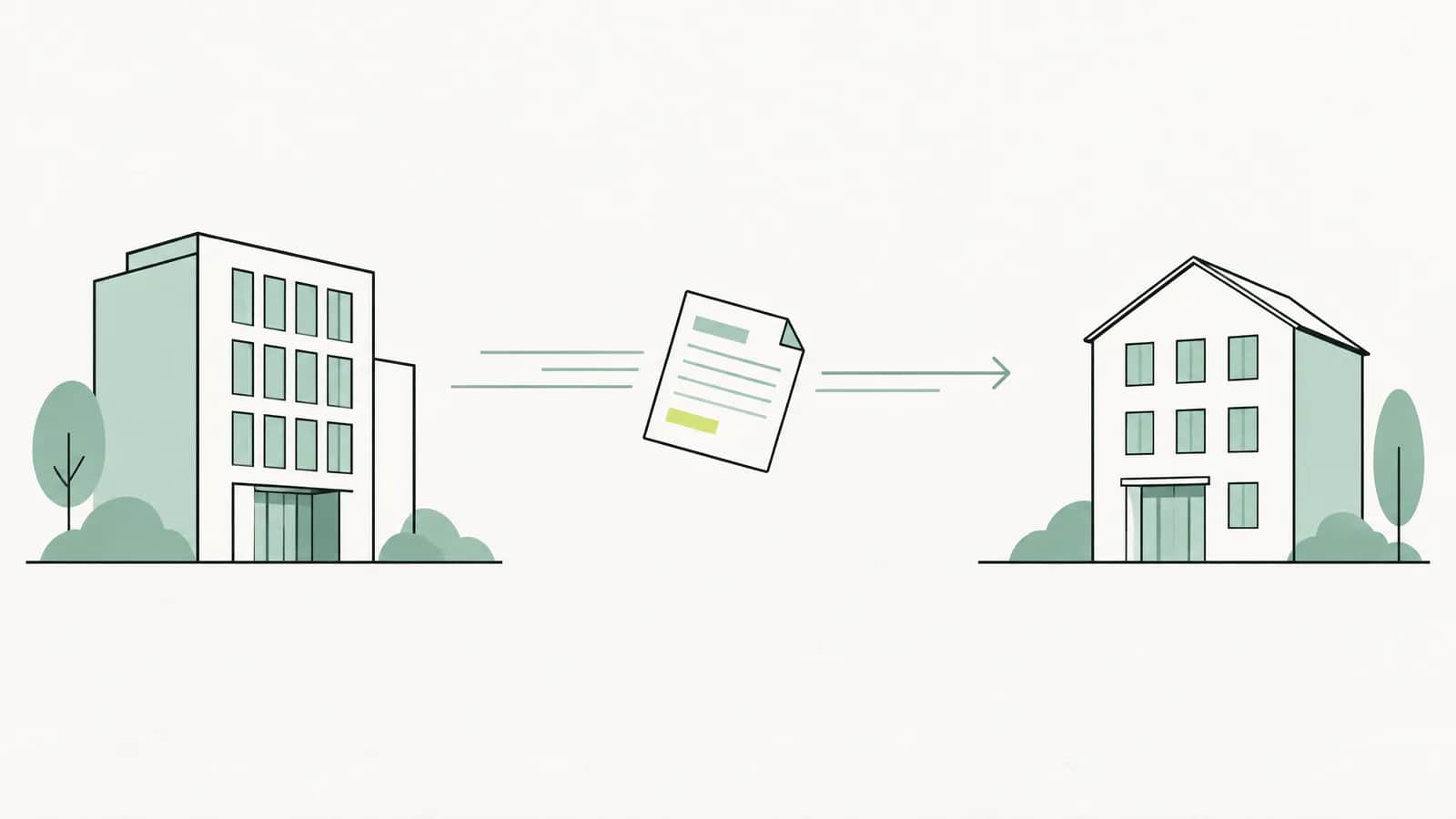
Tiers payant is one of two billing systems in basic health insurance. The term comes from French and means “paying third party”. The third party is the health insurer: it stands between you and the service provider and pays the provider’s bill directly. So you do not have to pay the bill in advance.
The counterpart is tiers garant, the “guaranteeing third party”. There, you owe the doctor or therapist the remuneration yourself, pay the bill and then claim the amount back from your health insurer. The law makes tiers garant the default rule. Tiers payant only applies if the health insurer and the service provider have agreed on it, or for inpatient treatment, where the law prescribes it for the insurer’s share.
It is important to distinguish this from the co-payment. Tiers payant only governs who pays the bill first. Who bears the costs in the end stays the same: the deductible and the retention fee are charged to you under tiers payant as well. The health insurer claims them back from you afterwards.
The term relates to basic health insurance under the Federal Health Insurance Act (KVG). Supplementary insurance under the Insurance Contract Act (ICA) has its own billing rules, which are set out in the contract and in the general terms and conditions.
How it works
The tiers payant process has four steps:
- Treatment or purchase. You go to the pharmacy, the doctor or the hospital and show your health insurance card.
- Invoice to the health insurer. The service provider sends the invoice directly to your health insurer. Since 01.07.2026, it must transmit it electronically to the debtor.
- Copy to you. Under tiers payant, the service provider must send you a copy of the invoice without being asked. The health insurer and the service provider can agree that the health insurer sends this copy of the invoice. It may also be sent electronically.
- Statement of your co-payment. The health insurer pays the invoice and then sends you a statement of your share: the deductible, as long as it is not used up, and after that the 10 % retention fee up to the maximum of CHF 700 for adults.
In hospital, the split is special. For inpatient treatment, the canton and the health insurer pay the remuneration together. The canton of residence covers at least 55 %, the health insurer the rest. By law, the health insurer owes its share directly, so you never have to pay it in advance. The hospital invoice shows the canton’s and the health insurer’s shares separately.
For medicines from the pharmacy and for doctors’ practices, the tariff agreement between the health insurer or association of health insurers and the service providers decides whether billing is direct. This can vary by canton, health insurer and practice. Whether a particular pharmacy or practice bills your health insurer directly is something you can find out there or from your health insurer.
Legal basis
Art. 42 of the Federal Health Insurance Act (KVG) governs both systems. Under Art. 42 para. 1 KVG, insured persons owe service providers the remuneration unless the insurer and the service provider have agreed otherwise; the insured persons then have a right to reimbursement (tiers garant system). Under Art. 42 para. 2 KVG, insurers and service providers may agree that the insurer owes the remuneration (tiers payant system). For inpatient treatment, the insurer owes its own share in every case.
Art. 42 para. 3 KVG requires a detailed and understandable invoice. Under tiers payant, the service provider must send the insured person, without being asked, a copy of the invoice that goes to the insurer. Since 01.07.2026, Art. 42 para. 3ter KVG has required invoices to be sent electronically to the debtor; on request, you receive them on paper free of charge.
Which details belong on the invoice is set out in Art. 59 of the Health Insurance Ordinance (KVV): among other things, the dates of the treatments, the services provided at the level of detail of the tariff and the diagnoses, to the extent the tariff requires them. Under Art. 59 para. 4 KVV, the invoice must be comprehensible to you. The split of hospital costs between the canton and the health insurer is governed by Art. 49a KVG, the co-payment by Art. 64 KVG, with the amounts in Art. 103 KVV.
Example: medicines with a high deductible
Lea is 29 years old, has a deductible of CHF 2,500 and has had no other costs this year. At a pharmacy that bills her health insurer under tiers payant, she collects a medicine prescribed by a doctor for CHF 180. The amounts are a worked example using the statutory rules on co-payment, not a price.
| Step | Tiers payant | Tiers garant |
|---|---|---|
| At the pharmacy till | Lea pays nothing | Lea pays CHF 180 |
| Invoice | goes to the health insurer, Lea receives a copy | Lea receives the original |
| Payment to the pharmacy | health insurer pays CHF 180 | already paid by Lea |
| Health insurer’s statement | charges Lea CHF 180 as deductible | reimburses Lea CHF 0, counts CHF 180 towards the deductible |
| Lea’s cost in the end | CHF 180 | CHF 180 |
What this means for you
Tiers payant protects your cash flow because you do not have to pay large bills in advance. The co-payment still comes, however, often a few weeks later as a combined statement. Three points help you keep track:
- Check copies of invoices. Compare the date, services and amount with what you actually received. Report discrepancies first to the service provider, then to the health insurer.
- Set money aside for the co-payment. With a high deductible, a statement can amount to several hundred francs, even if you paid nothing at the pharmacy.
- Keep your documents. You also need copies of invoices and the health insurer’s statements for your tax return. In your customer account, you can store your invoices and results.
How each health insurer bills is shown in the profiles under Health insurers. The premium calculator shows the premiums of all health insurers for where you live. The billing system is secondary here: the premium and your co-payment determine what basic health insurance costs you.
Common mistakes
- Thinking tiers payant is “free”. The health insurer pays first but claims back the deductible and retention fee. With a high deductible, you often end up paying the full amount.
- Filing copies of invoices without reading them. The copy is your only way of checking what the health insurer pays. Otherwise, errors go unnoticed.
- Confusing tiers payant and tiers garant. If you receive an invoice with a payment slip, tiers garant usually applies. You then have to pay yourself and submit the invoice.
- Forgetting supplementary insurance. Services that only a supplementary insurance covers appear on a separate invoice (Art. 59 para. 2 KVV). The rules of your supplementary contract apply to them.
We explain how we set up examples and calculators under How we calculate.
Frequently asked questions
What is the difference between tiers payant and tiers garant?
Under tiers payant, the health insurer pays the bill directly and then charges you the co-payment. Under tiers garant, you pay the bill yourself and submit it for reimbursement. Tiers garant is the statutory default; tiers payant requires an agreement between the health insurer and the service provider.
Do I pay nothing at all under tiers payant?
You do. The health insurer pays the whole bill first, but then claims back your deductible and the 10 % retention fee. As long as you have not used up your deductible, you still end up paying the costs yourself.
Where does tiers payant apply in Switzerland?
That depends on the contracts between health insurers and service providers. For inpatient hospital treatment, the health insurer owes its share directly by law. For pharmacies and doctors’ practices, the tariff agreement decides; if in doubt, ask on site or at your health insurer.
Why do I receive a copy of the invoice if the health insurer has already paid?
The law requires the copy so that you can check what has been billed. This lets you see whether the date, services and amounts are correct before the health insurer charges you the co-payment.
Related terms
- Tiers garantTiers garant is the billing system in which you pay the doctor’s bill yourself and then submit it to your health insurer for reimbursement. Under Art. 42 para. 1 KVG, it applies whenever the health insurer and the service provider have not agreed otherwise. The health insurer reimburses the amount minus the deductible and the 10% retention fee.
- Copy of the invoiceThe copy of the invoice is a copy of a doctor’s, hospital or pharmacy bill that goes directly to the health insurer. Under the tiers payant system, the service provider must send you this copy without being asked, electronically or, on request, on paper free of charge. This lets you check what was billed before the health insurer reclaims the deductible and the 10 % retention fee from you.
- MedicinesBasic health insurance pays for medicines if a doctor prescribes them and they are on the FOPH’s List of Pharmaceutical Specialties, at most at the price set there. You pay the deductible and a 10% retention fee, or 40% for expensive original products with cheaper alternatives. You pay for medicines not on the list yourself or through supplementary insurance.
- Inpatient treatmentInpatient treatment is a hospital stay of at least 24 hours or a shorter stay that includes a night in a hospital bed. Basic health insurance pays for it in a listed hospital together with your canton of residence, which bears at least 55%. You pay the deductible, the retention fee and a hospital contribution of CHF 15 per day.
Sources
- Federal Health Insurance Act (KVG), Art. 42 (German; the English version on fedlex predates para. 3ter)Art. 42 KVGfedlex.admin.ch
- Federal Health Insurance Act (KVG), Art. 49aArt. 49a KVGfedlex.admin.ch
- Federal Health Insurance Act (KVG), Art. 64Art. 64 KVGfedlex.admin.ch
- Health Insurance Ordinance (KVV), Art. 103Art. 103 KVVfedlex.admin.ch
- Health Insurance Ordinance (KVV), Art. 59Art. 59 KVVfedlex.admin.ch
- Federal Office of Public Health (FOPH): Health insurancebag.admin.ch