Key points at a glance
- Today you can choose freely among all insurers authorised to provide basic health insurance (Art. 4 KVG); the FOPH premium data for 2026 includes 34 insurers.
- On 11.03.2007, the initiative “For a social single health insurance fund” was rejected by 1,590,213 votes to 641,917.
- On 28.09.2014, the initiative “For a public health insurance fund” was rejected by 1,512,036 votes to 933,012.
- Instead of a single fund, risk equalisation offsets the differences between the insurers’ pools of insured persons (Art. 16 KVG).
What is a single health insurance fund?
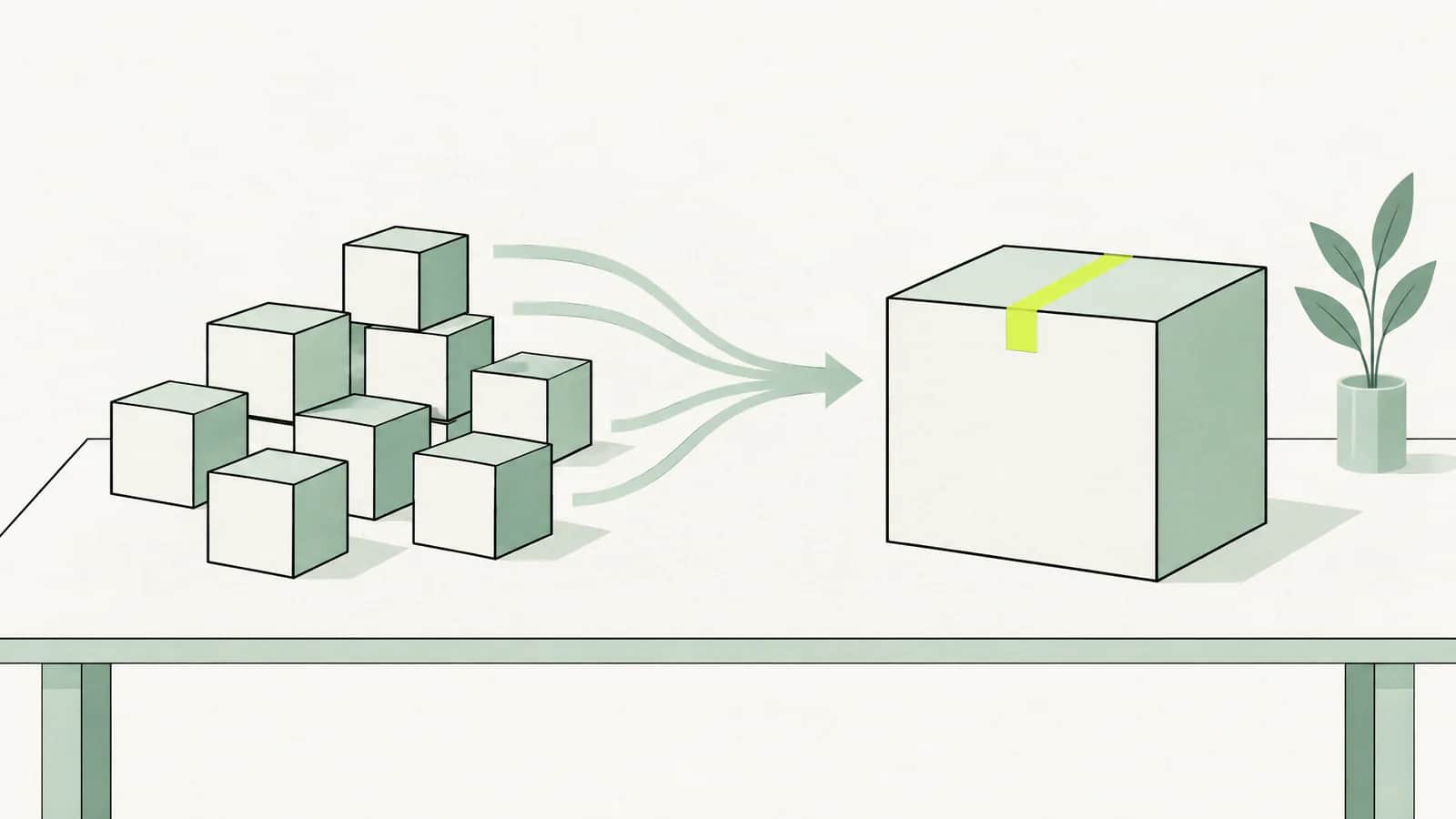
A single health insurance fund is a model in which one health insurer provides compulsory basic health insurance for the entire population. It would be an institution under public law, which is why it is also called a “public health insurance fund”. In the political debate, the term always refers to basic health insurance under the Federal Health Insurance Act (KVG); supplementary insurance under the Insurance Contract Act (ICA) would not be directly affected.
Switzerland does not have a single health insurance fund. Basic health insurance is provided by several health insurers, which need authorisation from the Confederation. Health insurance funds are legal entities under private or public law that may not pursue a profit in basic health insurance. The FOPH premium data for 2026 includes offers from 34 insurers. You choose freely which one you are insured with and can switch every year.
The benefits of basic health insurance are the same with all insurers, because they are laid down in the law and the ordinances. There are differences in premiums, insurance models, service and administration. This is where the debate comes in: should competition between many insurers remain, or should one single institution run basic health insurance? In 2014, the Federal Council and Parliament recommended a no vote: with a single public fund, insured persons would no longer have a free choice, competition would be eliminated, the system with what were then 61 private health insurers had in principle proved its worth, and a restructuring would involve uncertainty and costs that were difficult to estimate. The initiative committee, by contrast, criticised an expensive, bureaucratic “pseudo-competition” between insurers.
A single health insurance fund must not be confused with a uniform premium. A uniform premium within an insurer already exists today: in the same region, age group and deductible, each insurer charges all insured persons the same premium, regardless of income and health. This per-capita premium is a separate political issue.
How it works today
In the current system, each insurer sets its own premiums for each canton and region. The premiums must cover the costs of its insured persons, and the FOPH approves them every year. Because insurers with many young, healthy insured persons would have lower costs than insurers with many older or ill insured persons, there is risk equalisation: insurers with a more favourable pool pay levies to the Common Institution under the Federal Health Insurance Act (Gemeinsame Einrichtung KVG), and insurers with a more expensive pool receive contributions. The decisive factors are age, sex and other indicators of health risk. Children are excluded.
A single health insurance fund would replace this division among many insurers. The 2014 initiative provided for a national institution under public law with cantonal or intercantonal agencies. These would have set and collected the premiums and reimbursed the benefits, with a uniform premium per canton based on costs. The Confederation, the cantons, insured persons and service providers would have been represented in its governing bodies. Supplementary insurance was not part of the initiative.
Legal basis
The current system is based on the free choice of insurer under Art. 4 KVG: persons required to take out insurance choose freely among the insurers authorised to provide social health insurance under the Health Insurance Supervision Act (KVAG). Art. 2 para. 1 KVAG describes health insurance funds as legal entities under private or public law that do not pursue a profit. Under Art. 61 para. 1 KVG, each insurer sets its own premiums and, unless the law provides otherwise, charges its insured persons the same premiums. Risk equalisation between insurers is governed by Art. 16 and 17 KVG.
Both proposals were put to the vote as federal popular initiatives, i.e. as amendments to the Federal Constitution. The results are set out in the Federal Council decrees on the popular votes of 11.03.2007 and 28.09.2014.
Example: the two votes compared
| Vote | Proposal | No | Yes | Share of no votes | Cantons |
|---|---|---|---|---|---|
| 11.03.2007 | “For a social single health insurance fund” | 1,590,213 | 641,917 | 71.2% | 18 6/2 no, 2 yes |
| 28.09.2014 | “For a public health insurance fund” | 1,512,036 | 933,012 | 61.8% | 16 6/2 no, 4 yes |
Source: Federal Council decrees on the results of the popular votes; share of no votes is our own calculation from the valid yes and no votes. In the cantons column, “6/2” stands for the six cantons that each count as half a canton.
The 2026 premiums show how large the differences between insurers are today: in the municipality of Zurich (region 1), an adult born in 1992 with a deductible of CHF 300 and accident cover pays between CHF 517.70 and CHF 724.00 per month, depending on the offer, for the same statutory benefits; source: FOPH. Under the 2014 initiative, there would instead have been a uniform premium per canton.
What this means for you
As long as there is no single health insurance fund, you have a choice, and that choice affects your budget. Basic health insurance offers the same benefits with all insurers, so comparing is worthwhile above all for the premium. The premium calculator shows all offers for your municipality, deductible and model, using official FOPH data.
It is also worth looking at service and finances. The health insurer profiles show key figures from the FOPH’s supervisory data. If you want to switch, you will find the procedure under Switching health insurer.
The political debate about a public fund did not end with the two votes. Other proposals focus on financing, for example premium relief or a cost brake. You will find current developments in the News.
Common mistakes
- Confusing a single health insurance fund with a uniform premium. The uniform premium per insurer and region already exists; a single health insurance fund does not.
- Believing benefits differ from one insurer to another. In basic health insurance, they are the same by law. What differs are premiums, models and service.
- Including supplementary insurance. Both initiatives concerned only basic health insurance, not supplementary insurance.
- Believing switching is pointless. With premium differences of more than CHF 200 per month for the same benefits in the same municipality, comparing is worthwhile.
We explain how we present insurers and premiums under How we calculate.
Frequently asked questions
Is there a single health insurance fund in Switzerland?
No. Basic health insurance is provided by several health insurers, 34 in 2026 according to FOPH premium data. You choose freely among them. The benefits of basic health insurance are the same with all of them, but the premiums are not.
How often has there been a vote on a single health insurance fund?
Twice at federal level in the last two decades. On 11.03.2007, the people and the cantons rejected the initiative “For a social single health insurance fund”, and on 28.09.2014 the initiative “For a public health insurance fund”.
What is the difference between a single health insurance fund and a uniform premium?
A single health insurance fund would be one insurer for everyone. The uniform premium, or per-capita premium, already exists today: in the same region, age group and deductible, each insurer charges everyone the same premium, regardless of income and health.
Why do premiums differ even though the benefits are the same?
Because each insurer sets its own premiums based on its costs, reserves and pool of insured persons; the FOPH approves them. Risk equalisation offsets differences in age, sex and health risk, but not all differences in costs.
Related terms
- Health insurerA health insurer is a company licensed by the Federal Office of Public Health (FOPH) to provide basic health insurance under the KVG; in everyday language, a health insurance fund. As at 01.01.2026 there were 34 of them. They must accept every person required to take out insurance, may not make a profit from basic health insurance and often also offer supplementary insurance under the ICA.
- Risk equalisationRisk equalisation is a financial adjustment between health insurers in basic health insurance. Insurers with many healthy insured persons pay levies, insurers with many sick insured persons receive contributions. Risk is measured by age, sex, a stay of at least three nights in a hospital or nursing home in the previous year and expensive medicines. This makes chasing good risks less worthwhile.
- Premium relief initiativeThe premium relief initiative sought to ensure that nobody pays more than 10% of their disposable income for health insurance premiums. On 09.06.2024 the people and the cantons rejected it with 55.47% voting no. Since 01.01.2026, the indirect counter-proposal has applied instead: every canton must spend a minimum share of healthcare costs on premium subsidies.
- Cost brake initiativeThe Centre party’s cost brake initiative sought to link the costs of basic health insurance to the development of wages and the economy and to oblige the Confederation and the cantons to intervene. On 09.06.2024, the people and the cantons rejected it with 62.77% voting no. Since 01.01.2026, the counter-proposal has applied: every four years, the Federal Council sets cost and quality targets.
- Per-capita premiumThe per-capita premium is the principle by which basic health insurance is financed: every adult with the same insurer, in the same place of residence and with the same deductible and model pays the same premium, regardless of income, sex, age or health. In 2026, adults pay CHF 465.30 a month on average.
Sources
- Federal Health Insurance Act (KVG), Art. 4Art. 4 KVGfedlex.admin.ch
- Federal Health Insurance Act (KVG), Art. 16Art. 16 KVGfedlex.admin.ch
- Federal Health Insurance Act (KVG), Art. 61Art. 61 KVGfedlex.admin.ch
- Health Insurance Supervision Act (KVAG), Art. 2Art. 2 KVAGfedlex.admin.ch
- Federal Council decree on the result of the popular vote of 11 March 2007 (single health insurance fund) (German; Federal Gazette not published in English)fedlex.admin.ch
- Federal Council decree on the result of the popular vote of 28 September 2014 (German; Federal Gazette not published in English)fedlex.admin.ch
- Federal Chancellery, popular vote of 28 September 2014 (German; also available in French and Italian)bk.admin.ch
- Federal Chancellery, Federal Council explanations on the popular vote of 28 September 2014 (German; also available in French and Italian)bk.admin.ch
- FOPH, health insurance premiums 2026 (opendata.swiss)opendata.swiss